2025 Annual Report
Building Nonprofit Muscle for Long-Term Success
Most people would agree that trying to run a marathon without training, resting, or eating nutritious foods is a bad idea. So why do we ask nonprofit agencies to take on tough challenges without building strength and resilience?
That’s the idea behind capacity building, an approach that helps organizations bolster internal resources like staffing, leadership, or finances for long-term success while they continue caring for the community.
“Aspects of capacity like leadership, staff, governance—those are not extras. They are essential to making good programs possible.”
Katie Pieri - Executive Director of the Nonprofit Support Group (NSG)
Capacity Is Essential
“Capacity building is having the strength it takes to do the work over time,” says Katie Pieri, Executive Director of the Nonprofit Support Group (NSG). NSG is western New York’s only funder collaborative dedicated to strengthening the nonprofit sector and connecting organizations with the resources and tools they need to drive impact.
The Health Foundation is one of several funders who have contributed to NSG since its founding in 2019. Their resources include Impact HQ, a user-friendly hub of capacity building resources specifically for nonprofits, providing a variety of supports in one centralized place. View NSG’s Five Year Impact Report here.
Capacity building is also a way for the Health Foundation to strengthen trust with our nonprofit partners and better understand the most critical needs in the community as they arise. This mutually beneficial approach helps us shape our long-term plans, program development, and funding decisions.

Katie Pieri, Executive Director of NSG
2025: Uncertainty for the Sector
Historical approaches to human services infrastructure have made it difficult for organizations to build capacity. Unreliable funding streams, workforce challenges, and the ongoing belief that “overhead”—the cost of operating—should be kept as low as possible means that nonprofits often don’t have the time or money to build capacity and invest in their future.
These conditions left nonprofits in a vulnerable state when sudden cuts in federal funding and policy changes hit organizations in early 2025. While some funds and programs were eventually restored, a prevailing sense of volatility remains across the sector.
“Organizations are being challenged now in ways they haven’t been before, on top of all the existing challenges,” Katie says. “Funding that used to be considered the sustainable option no longer is. Nonprofits are in a real moment of uncertainty.”
In 2025, about one-third of nonprofits nationwide reported government funding disruptions.
Meeting Nonprofit Needs—Now and in the Future
2025’s disruptions made capacity building more important than ever. In fact, 42 percent of the Health Foundation’s grant spending this year was targeted toward capacity building efforts.
A few highlights of our capacity building work in 2025 include:
Funder collaborations: We joined forces with other funders in both western and central New York to offer assistance in several capacity-building areas. These pooled funds helped nonprofits explore strategic operational shifts that will increase their resiliency, including mergers, shared services, and other types of collaborations.
Scenario planning workshops: Planning for the future and ensuring long-term sustainability are key factors in nonprofit success, but not every organization has the time or resources to devote to this kind of process. We partnered with other funders through NSG to offer a scenario planning workshop to several grantee-partners. Scenario planning helps organizations manage uncertainty, proactively anticipate threats, identify preemptive actions, envision new opportunities, and focus on sustaining impact during change.
Steven Harvey, PhD, Chief Executive Officer of Integrity Partners Behavioral Health IPA, took part in NSG’s workshop to explore how their organization can prepare for challenges that may arise in the future. Integrity Partners, New York’s largest rural behavioral health network, was in the middle of a merger when they took part in the scenario planning workshop.
“The training helped us think about the future and prepare for the challenges we could face as an organization. We connected with a variety of expertise related to the merger we were navigating, and it helped us consider some legal, financial, and culture aspects. Since then we’ve lined up two additional national partners who have accelerated the work we’re doing.”
Steven Harvey, PhDChief Executive Officer of Integrity Partners Behavioral Health IPA
He added that their organization continues to use what they learned in the training as new challenges arise—such as anticipating the impact of upcoming changes to Medicaid eligibility.
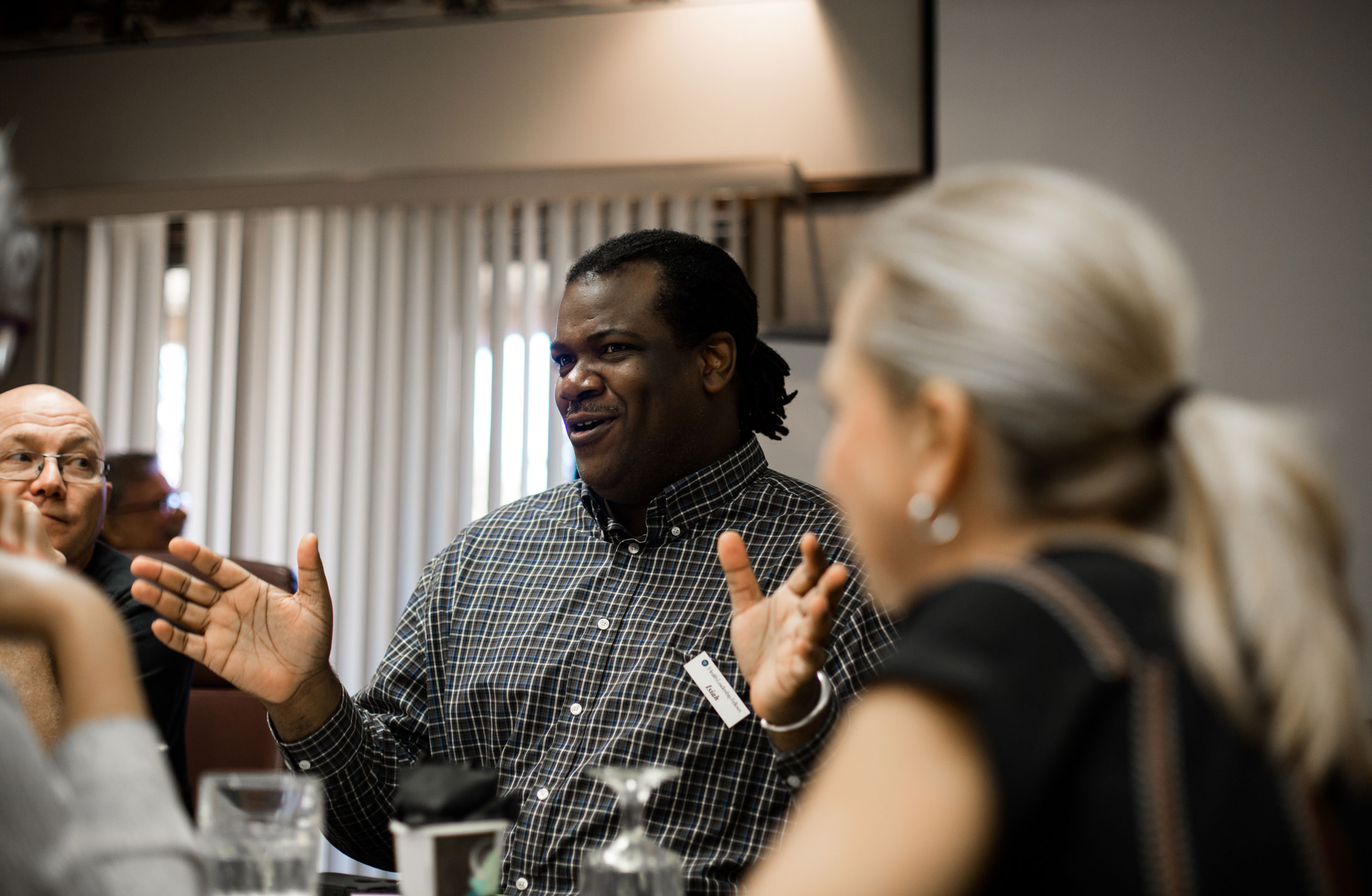
Health Leadership Fellows: This leadership program brings together executives in social and health care agencies serving older adults or children under 5 to build a diverse network of leaders who can effectively collaborate. Since it was founded in 2005, more than 400 leaders across our regions have become Fellows. Graduates have worked together on high-impact, lasting projects such as the creation of organizations like SNAPCAP and WNY Integrated Care Collaborative. 2025 saw the launch of the 12th cohort of Fellows.

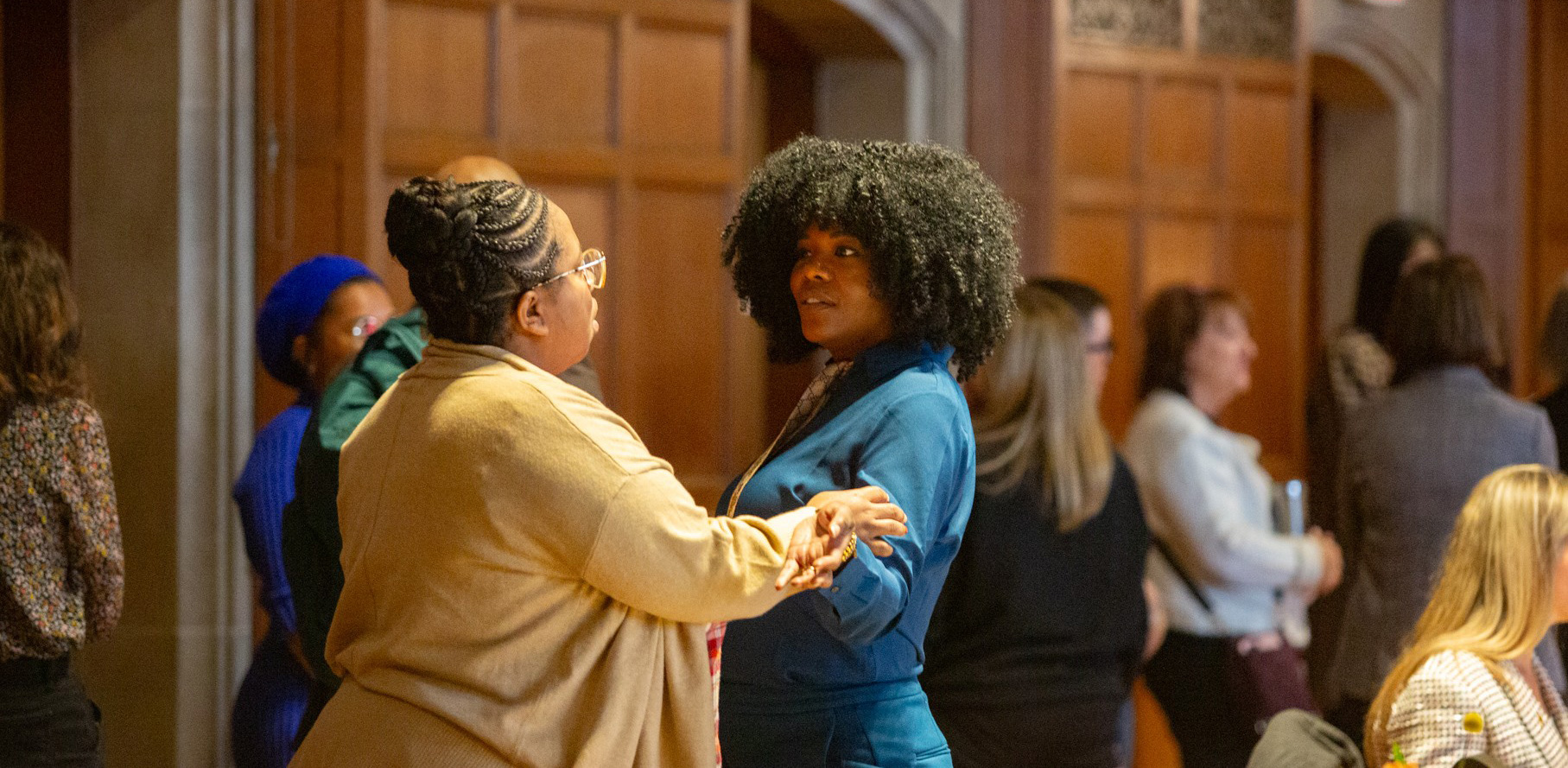
Pictured: StoryGrowing WNY 2024 Cohort
StoryGrowing: Based on the idea that “the right story can change everything,” StoryGrowing WNY is presented by the Health Foundation and The John R. Oishei Foundation. The most recent cohort of StoryGrowing WNY launched in early 2026 after a late 2025 kickoff brought nearly 200 organizations together to discuss storytelling during crisis.
After the 2024 StoryGrowing program, one participant shared: “The program was incredibly helpful, not just for the content itself but for helping us understand the level of investment required to apply it and the significant support provided by the foundations. Carving out dedicated time to dig into questions and conversations, which often get pushed aside because of day-to-day work, was invaluable.”